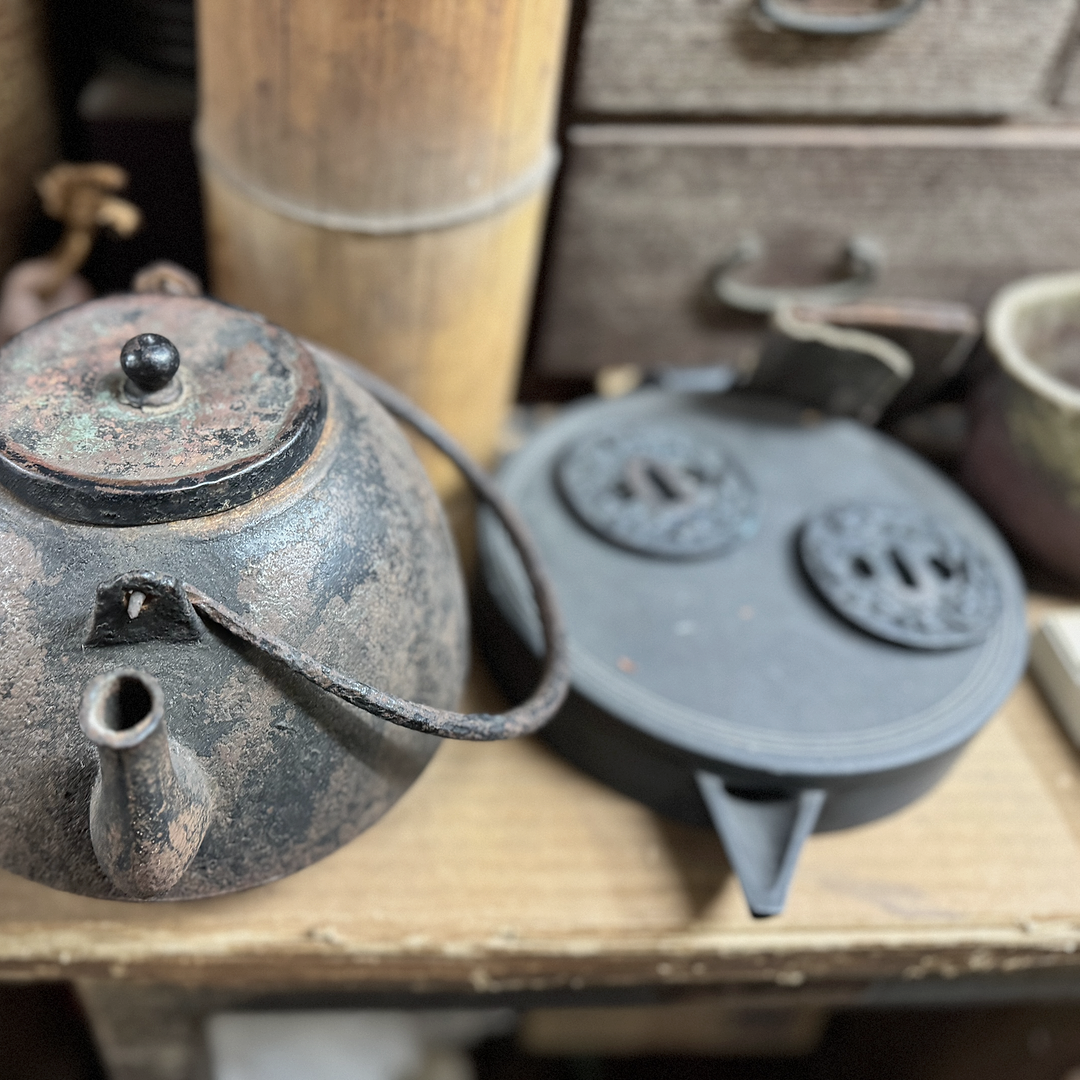
Travelers often ask for somewhere authentic, local or unknown. I understand the wish. The difficult part is that a place usually stops feeling personal the moment it is treated as a product to be revealed.
This note began with a question I repeatedly see travelers asking. The answer is my own, shaped by living in Tokyo rather than by a list of search results.
What makes a place feel local is not its obscurity. It is the relationship people have with it.
A hidden place is not automatically a good place
Tokyo has thousands of small doors, but being hard to find is not a quality by itself. Some places are quiet because they are ordinary. Some are private in spirit even when anyone may enter. Others simply are not very welcoming.
When I think about introducing a place, I look less at how secret it is and more at what happens inside. Who cares for it? What kind of rhythm does it have? Would a first-time visitor add to that rhythm, or interrupt it?
The useful question is more personal
Instead of asking for the most local place, tell me what you hope to feel. Maybe you want a room where conversation comes easily, an old shop where objects still carry their age, or a counter where being quiet does not feel awkward.
That gives me something real to work with. The answer may be a place I know, a neighborhood to walk through, or simply a way of noticing what is already around you.
Sometimes I will keep the address vague
This is not about manufacturing mystery. It is about respecting the people who make a place worth visiting. A tiny bar, café or shop can be changed quickly by attention it never asked for.
I would rather share the atmosphere first, then decide whether the place fits the person and the moment. Tokyo becomes more interesting when discovery still contains a little responsibility.
If you are looking for a different side of Tokyo, begin with the feeling you want, not the pin you want to collect.